Public Corporations
Finance Ministry streamlines salaries, allowances for Board Chairs, DGs
By Ndumbe Bell Joseph Gaston in Douala
The Ministry of Finance has ordered a sharp streamlining in the remuneration of Managing Directors, Deputy Managing Directors, Board Chairpersons and Board Members of public corporations and public institutions across Cameroon.
The new directive targets 5 categories of state-owned enterprises to cut wastage. The measure, contained in new directives implementing the 2019 decrees on public enterprises, reorganizes all 112 public corporations and establishments into five main categories based on their turnover and average budget over the last three fiscal years. The category determines how much a DG and Board Chair can earn. It is the most radical pay reform in the state-owned sector in 15 years.
The changes, according to the Ministry's compendium of texts and analysis by governance expert Prof. Viviane Ondoua Biwolé, says the new scale does three things:
Some of them are base salary cuts by up to 40%. The base salary of DGs has been reduced by about 40% compared to the old system. Remuneration including base salary, responsibility allowance and representation allowance is now capped as a percentage of the corporation's turnover or average budget.
Housing and other allowances has dropped from FCFA 2.5 million per month to FCFA 750,000 for top category managers. Fuel, telephone, domestic staff and other benefits have also been standardized.
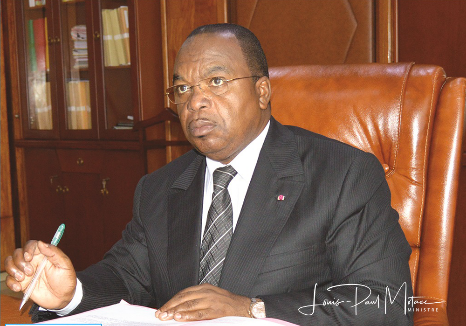
Pay is now linked to performance under the January 1, 2023 classification signed by Finance Minister Louis Paul Motaze, a company is classified or reclassified every three years based on performance. Category one corporations like SNH, Port Authority, Eneo-related structures for example. This is followed by category two such as large commercial corporations Category three corporations are medium-sized corporations. Category four and five are small public institutions and establishments with small budgets
If a company moves from Category two to Category four because turnover fell, the DG's and Board Chair's pay automatically falls.
Why now?
Between 2020 and 2024, the State paid FCFA48.4 billion in salaries to DGs, Deputy DGs and Board Chairs of its 112 entities, according to the report. Of that amount, FCFA 37 billion went to executives whose companies posted poor or negative results with falling turnover, losses, and debts.
The Ministry says the old system rewarded failure. A DG of a company with FCFA 500 million turnover could earn almost as much as a DG of a company making FCFA 50 billion. The new directives want to stop that.
The reform also aligns with IMF and CEMAC pressure to control the wage bill. Cameroon has failed the CEMAC wage sustainability ratio of 35% since 2009. Personnel expenses rose from FCFA 681.4 billion in 2011 to over FCFA 1,000 billion by 2021. Thinkers like prof. Ondoua estimate the State could save up to 50% of its expenses on executive pay by fully applying the decrees.
For many Cameroonians, the cut is long overdue. For years, public corporations have been seen as cash cows for a few top managers while workers face salary arrears.
But implementation remains the test. A 2019 presidential decree ordering DGs who had spent more than 9 years in office (3-year term renewable twice) to resign was never fully applied.
The Finance Ministry now says payroll controls will be centralized through specialized treasury payrolls and the compendium of texts will be used by financial controllers to block irregular payments.
The pay cut is concrete, legal, and already being used to reclassify 37 companies and 75 public institutions. If applied, it will end the era where heading a small, loss-making public company guaranteed a mansion and millions. Pay will now follow performance and turnover, not just the title.