Home / News / Minister Nalova Shuts 105 Private Schools in Cameroon

Minister Nalova Shuts 105 Private Schools in Cameroon

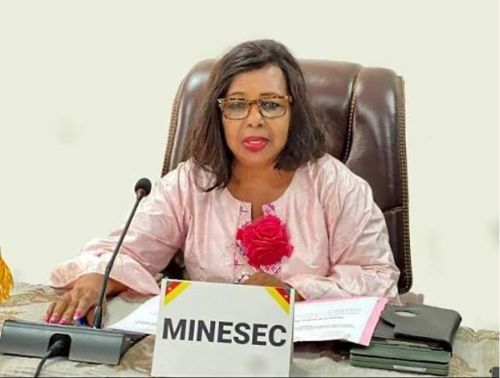
prof. Nolova

Minister Nalova Lyonga has shut down 105 private schools across Cameroon, just weeks before the start of the 2026-2027 school year. The closures span seven of the country’s 10 regions and expose ongoing gaps in how the education sector polices itself.

The move is part of a years-long effort to clean up private education. However, it also highlights the limits of an oversight system that still struggles to stop unauthorized schools from operating in the first place.

What the Ministry Announced

In a statement issued on July 20, the Ministry of Secondary Education said Minister Nalova Lyonga had signed three ministerial orders shutting down the schools for the upcoming academic year. Inspectors found that the institutions had violated legal requirements governing their creation, operation, or expansion.

How the Violations Were Found

The decisions follow inspections that the National Brigade for the Inspection of Private Schools carried out in June, according to official documents. Most violations involved schools operating without official authorization or accreditation — a direct breach of Cameroon’s 2004 law regulating private education.

A Recurring Pattern Each School Year

These closures are far from unusual. Every year, in the weeks leading up to the new school year, the Ministries of Secondary Education and Basic Education publish lists of private schools ordered to close. Officials then urge parents to enroll their children only in approved institutions.

This recurring pattern underscores how difficult it is to regulate a fast-growing private education sector. Despite repeated inspection campaigns, new schools continue to open before completing the administrative procedures the law requires. This year’s closures include 52 schools in the Littoral region alone — a sign that while enforcement punishes violations, it has done little to stop new cases from emerging.

Why Unauthorized Schools Keep Opening

Population growth, rapid urbanization, and limited capacity in many public schools have all increased demand for private education, particularly in urban areas. That pressure partly explains why unauthorized private schools keep spreading.

Some school operators respond by opening before they obtain all required permits, hoping to regularize their status later. Others expand existing schools or open new branches without prior approval.

Inspections Come Too Late to Prevent Harm

Timing makes the problem worse. Inspections typically happen only weeks before the school year begins, even though many of the affected schools have already been operating for months or even years. As a result, closures often function as corrective measures rather than preventive ones.

Families and Teachers Bear the Cost

The sanctions target school operators, but families absorb much of the immediate impact. Parents may learn only days before classes begin that the school where they enrolled their child won’t open. That forces them to scramble for another placement after already paying registration or tuition fees.

The closures also disrupt students’ education. Meanwhile, teachers employed by the affected schools lose their jobs just before the new academic year starts.

Why Authorization Matters

The ministry stressed that operating authorization is more than an administrative formality. It’s intended to ensure that schools meet minimum standards for infrastructure, safety, teaching quality, staff qualifications, and curriculum compliance.

A Deeper Oversight Challenge

As the 2026-2027 school year approaches, this latest wave of closures serves two purposes. It reminds operators of regulatory requirements, and it signals a deeper challenge: balancing rising demand for education with effective oversight of the private school sector.

Until Cameroon achieves that balance, school closure lists will likely remain a recurring feature of back-to-school preparations.

Tagged:

Leave a Reply

Your email address will not be published. Required fields are marked *