BY LUSY LIMA
The armed conflict rocking the North West and South West Regions of Cameroon has taken another toll, with families and civilians bearing the brunt of the unending crisis that began in 2016 with political unrest in the two English-speaking regions.
As the crisis escalates, many Anglophones are fleeing to safe havens, caught between separatist fighters and government forces. Rights organisations have described the situation as being “between the devil and the deep blue sea.”

Civilians say they are either kidnapped by separatist fighters for ransom and tagged “traitors” for alleged ties with the military, or arrested, tortured, and in some cases killed by security forces on suspicion of collaborating with separatists.
The Anglophone crisis began in 2016 with strikes by teachers and lawyers who later mobilised people of the two English-speaking regions. They cited accumulated grievances including alleged marginalisation by the French-speaking majority, inequality in employment, and what they termed the adulteration of the Common Law and English sub-system of education.
Since then, extrajudicial killings, arbitrary arrests, burning of houses and villages, sporadic gun battles between the military and separatist fighters, and the imposition of ghost towns and lockdowns by separatists have left the population in dilemma. The result has been untold suffering, displacement, and pain.
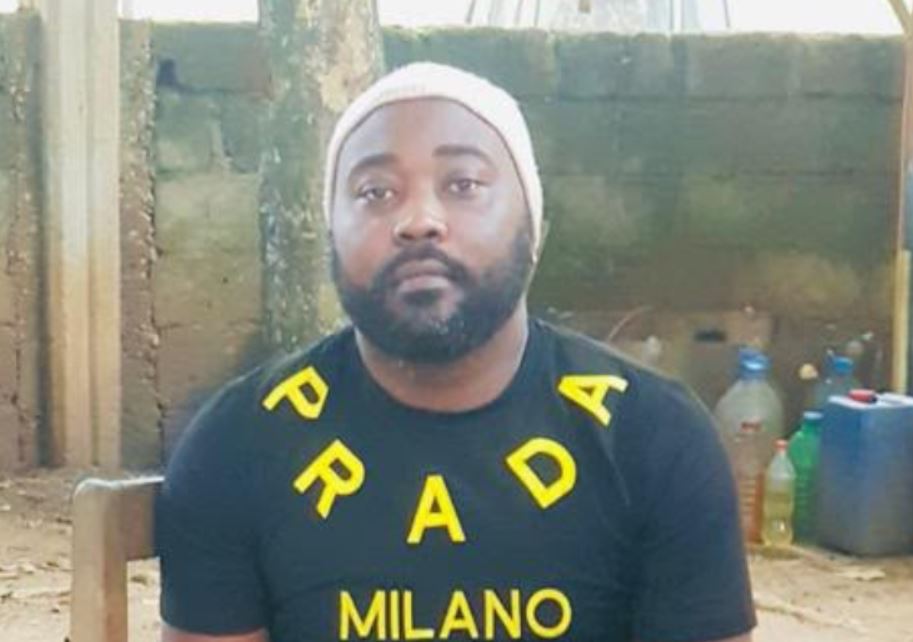
In Kumba, chief town of Meme Division of South West Region, the family of Nchinda Germain Petsa is still grappling with the effects of the crisis. His whereabouts has remained unknown since May 2025, following reported manhunts by government forces in the neighbourhood.
According to family sources, Mr. Petsa escaped from military detention after a series of arrests, torture and detention for alleged financial support to separatist fighters. He was also previously kidnapped and tortured by separatist fighters for alleged spying for the military.
THE SUN gathered that Nchinda Germain Petsa joined the Anglophone struggle in 2021 to continue the advocacy of his uncle, Nchinda Francis Nchinda, who was a frontline supporter of Common Law lawyers and Anglophone teachers during the 2016 protests. His uncle died under mysterious circumstances in September 2021. Family sources alleged that two unidentified persons, suspected to be secret service agents, dropped a substance in his drink in November 2019.
A recent military list of wanted persons circulating in Kumba also includes Nchinda Germain Petsa’s name for alleged support and participation in separatist activities. Residents described the latest military search for him as “targeted,” given what the family has endured since 2017.
As we went to press, family sources said Nchinda Germain Petsa’s whereabouts remained unknown. He has been declared wanted following numerous impromptu checks by the military around their neighbourhood.
Defence and security forces have reportedly established a warrant of arrest against him for alleged support of separatist activities. The population has been urged to be vigilant and report to the nearest gendarmerie or police station.
Under the Penal Code, if arrested, Nchinda Germain Petsa could face charges of acts of insurrection, hostilities against the state, and failure to report. The penalties include life imprisonment.
Human rights groups say the crackdown on civilians, activists, and perceived sympathisers in the two English regions has intensified, with reports of arbitrary arrests, detention, torture, and extra-judicial killings.
According to the International Crisis Group and Amnesty International, about 4,000 people have died. At least 500,000 are internally displaced, about 40,000 are refugees in neighbouring countries, and close to 700,000 children have been deprived of schooling.
The United Nations Office for the Coordination of Humanitarian Affairs, OCHA, reports that about 1.3 million people in the Anglophone regions urgently need humanitarian aid.